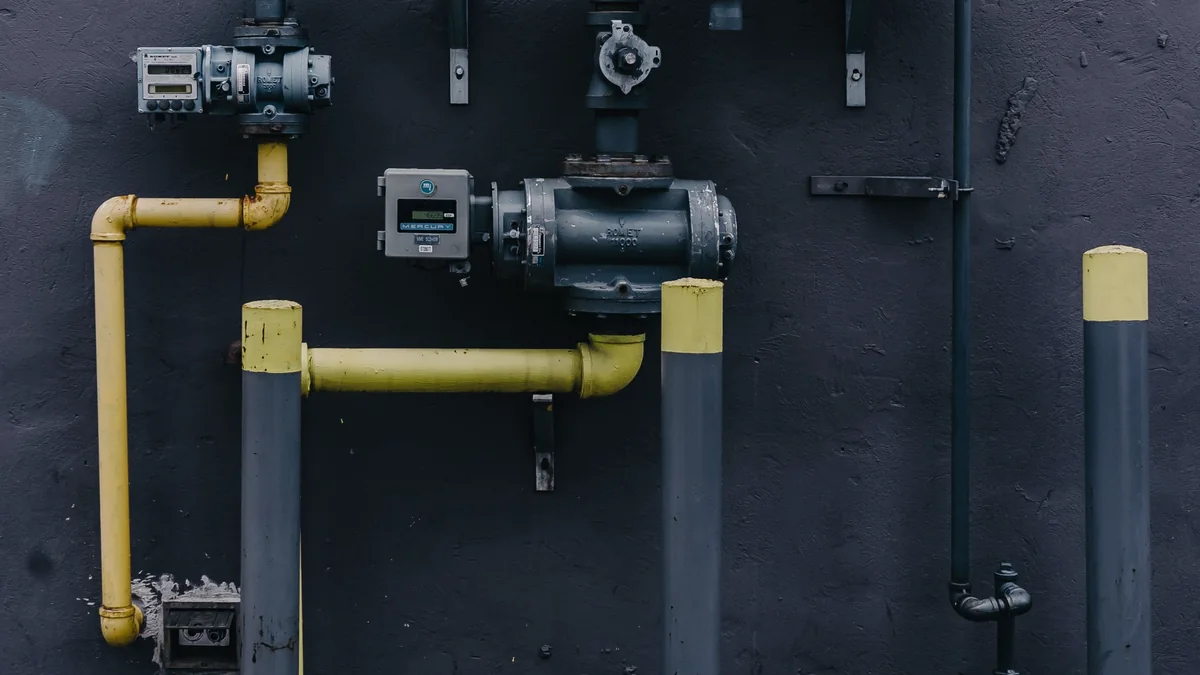
- Chlorination can provide a residual disinfectant through storage and distribution.
- Effectiveness depends on dose, contact time, pH, temperature and water quality.
- Pre-treatment may be needed before chlorination.
- Chemical handling and monitoring require competent procedures.
Why chlorine is used
DWI notes that chlorination may be more suitable for larger supplies where a residual disinfectant is useful through storage and distribution.
Dose and contact time
Disinfection depends on exposure, commonly expressed through concentration and contact time. This is a design and operational control, not simply “adding chlorine”.
Water quality and pH
Turbidity, organic matter, pH and temperature affect chlorine demand and disinfection. Treatment design may include filtration or pH adjustment before dosing.
Residual monitoring
Keep the method, instrument, calibration/quality checks, measurement location and result. DWI owner guidance discusses regular residual monitoring for chlorinated supplies.
Chemical safety
Store and handle chemicals according to supplier and safety requirements. Changes to dosing should be controlled and documented.
Practical checklist
- Keep chemical product details.
- Record dose settings and changes.
- Record residual measurements.
- Maintain contact tank and dosing equipment.
Frequently asked questions
Is chlorine better than UV?
Neither is universally better. UV is common on small supplies; chlorine may be preferable where a residual is needed. Treatment must fit the system.
Can I adjust chlorine dosing myself?
Only if you are competent and the system procedures authorise it. Incorrect dosing can create safety and quality problems.
Keep the records behind this work together.
Use the free tools or start a 7-day trial to see how sampling, maintenance, actions and documents can sit in one source-to-tap record.
- DWI: Manual on treatment for small water supply systems
- DWI: Guide for private supply owners and users
- DWI: Treatment processes
Regulatory guidance can change. Check the current DWI material and your local authority for the position applying to your supply.