Resource centre
Testing & Water Quality
Sampling schedules, Group A/B monitoring, laboratory reports and common water-quality issues.
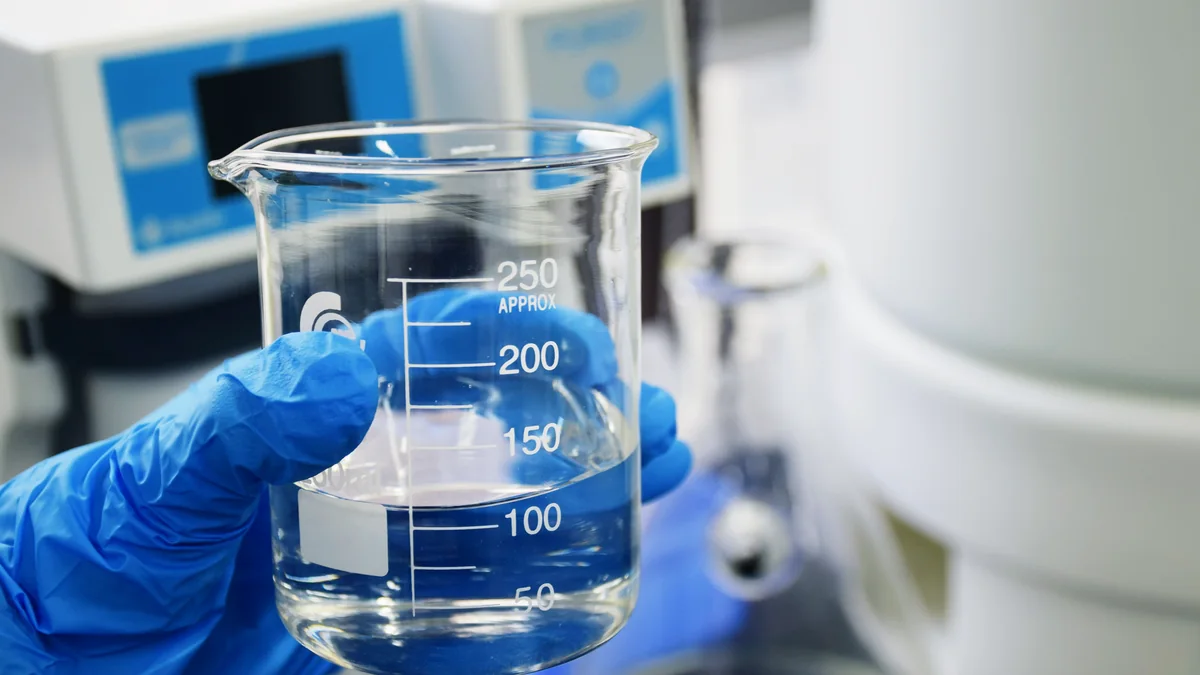
Sampling schedules, Group A/B monitoring, laboratory reports and common water-quality issues.
Understand private water supply testing in England: Regulation 8, 9 and 10 monitoring, Group A and B sampling, sample records, laboratory reports and follow-up actions.
Read guide →GuideHow often private water supplies are tested depends on regulation type, volume and risk assessment. Understand Regulation 8, 9 and 10 monitoring in England.
Read guide →GuideWhat a private water supply test can include: microbiological, physical and chemical parameters, Group A and B monitoring and risk-based additions.
Read guide →GuideGroup A and Group B monitoring explained for Regulation 9 private water supplies in England, including core parameters, additional parameters and frequency principles.
Read guide →GuideA practical guide to reading private water supply laboratory reports: sample details, units, limits, flags, microbiology, chemistry, trends and follow-up records.
Read guide →GuideWhat to do when a private water supply sample fails or raises concern: preserve the report, follow authority advice, investigate the source-to-tap system and document corrective actions.
Read guide →GuideE. coli in a private water supply is a serious microbiological finding. Understand the source-to-tap investigation, treatment checks and records to keep while following authority advice.
Read guide →GuideTurbidity in private water can affect appearance and treatment performance. Learn common causes, rainfall patterns, filtration, UV implications and useful maintenance records.
Read guide →GuideIron and manganese in borehole and private water supplies can cause colour, deposits and treatment problems. Understand oxidation, filtration and maintenance records.
Read guide →GuideA safer way to store and track water test reports without turning a software dashboard into a laboratory interpretation tool.
Read guide →GuideHow to organise private water supply sampling programmes, laboratory files and follow-up evidence.
Read guide →GuideNitrate in private water supplies can come from fertilisers, animal waste or sewage influence. Understand the 50 mg/L standard, investigation, treatment and operational records.
Read guide →